Liquid Glass
Material3DSeamless loop8 seconds
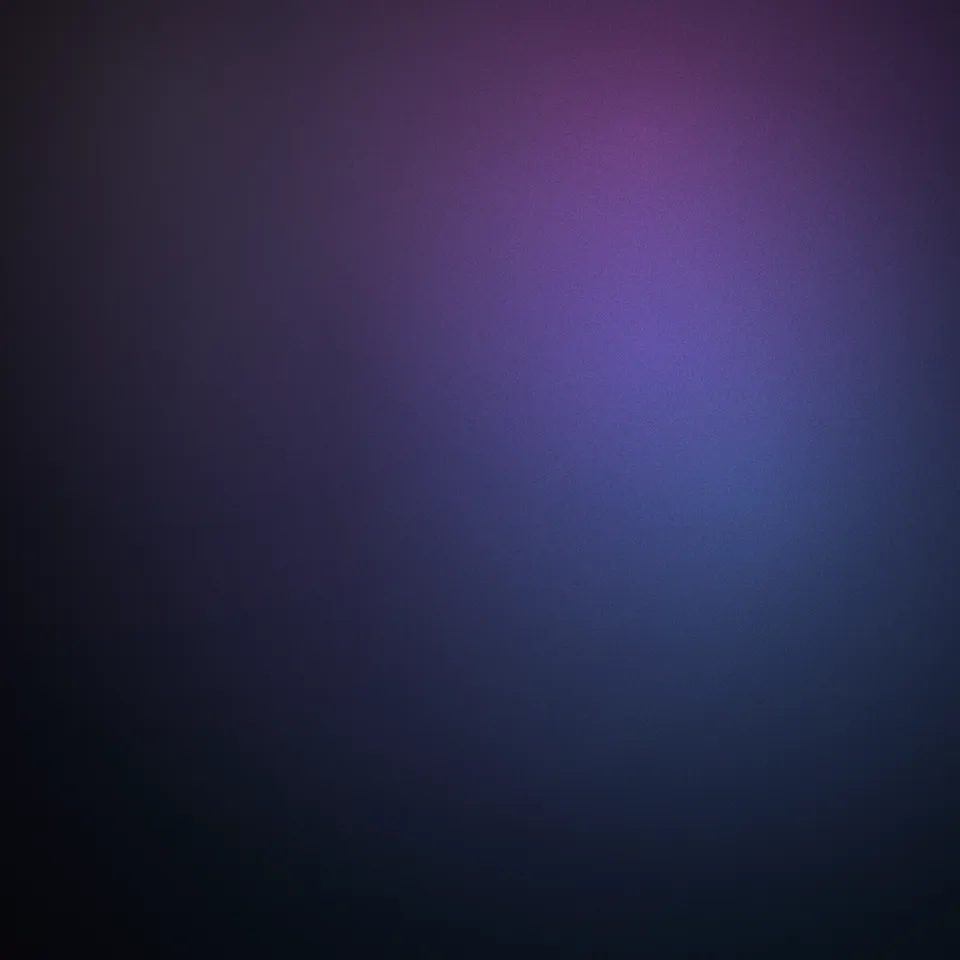
Slowly drifting, blurred colour glows with a touch of film grain. A calm, seamless background.
In Light, glass & shine, Liquids
Next: Liquid GlassSurprise me
Your current settings go with it. Combine several clips and hand them over together from your sequence.
Presets
The preview runs the same code your AI receives. These settings travel with the hand-off.
Big soft pools of colour drift gently across a dark base, like light through frosted glass, with optional film grain for a premium finish. It sits quietly behind text, numbers or products without stealing attention. Pick three colours, how fast they drift and how soft they are; it loops seamlessly.
src/gradient-background.js is the ingredient your AI reuses. demo.js is only the example scene around it, and uses the demo harness only for the demo.
src/gradient-background.jscreateGradientBackground({ colors?, base?, speed?, softness?, intensity?, grain?, seed? }) => { draw(ctx, info, width, height) }apw-runtime@1.0.0 (demo) — Demo harness. src/gradient-background.js has no dependencies.Coordinates: Pixels; glows are sized relative to the larger side.
Lighting: Additive glows over the base colour.
Timing: Pure function of progress (grain uses the frame index).
npm install
npm run render -- gradient-background/1.1.0 --out my-video.mp4
Needs Node 18+, ffmpeg and Chrome/Chromium. Add --params my-settings.json (from Copy settings) for your own settings.sha256:be610e299a2f2202… · other versions: 1.0.0Material3DSeamless loop8 seconds
Background3DSeamless loop12 seconds
Background3DSeamless loop10 seconds
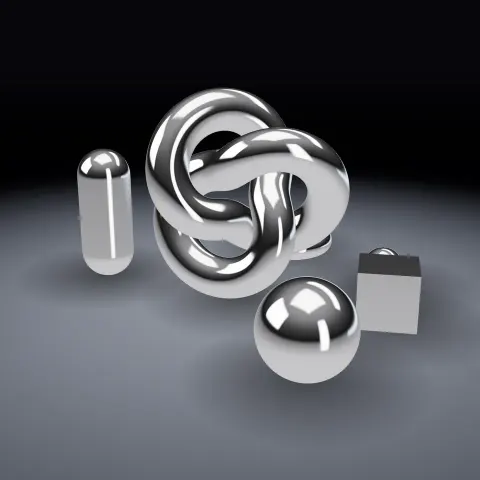
Full example3DSeamless loop8 seconds
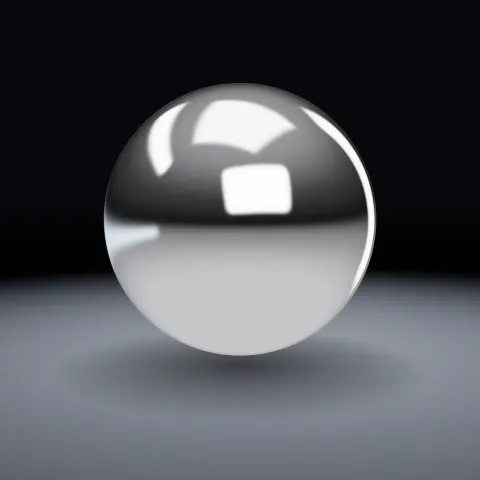
Material3DSeamless loop8 seconds
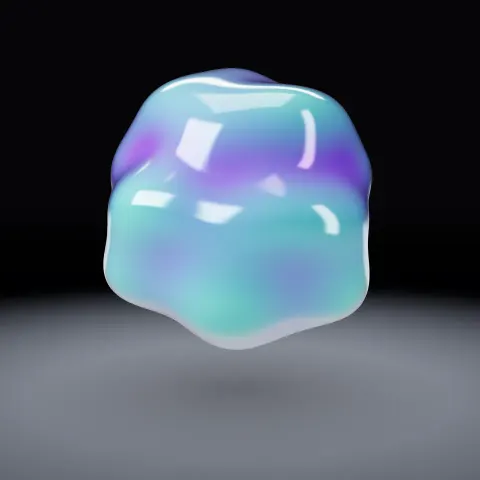
3D object3DSeamless loop8 seconds
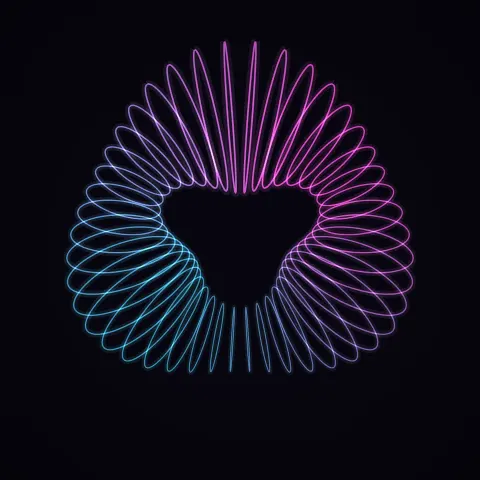
Effect2DSeamless loop8 seconds
3D object3DSeamless loop12 seconds