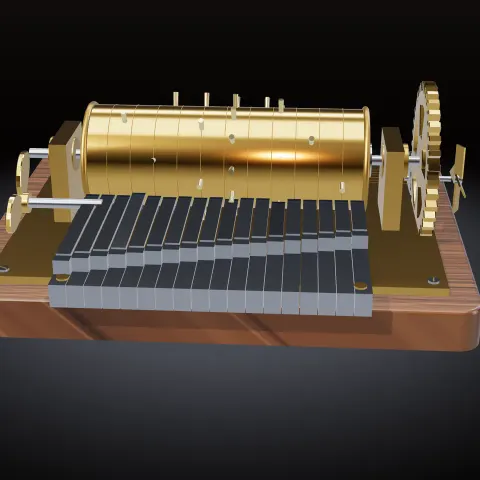
Music Box
3D object3DSeamless loop12 seconds
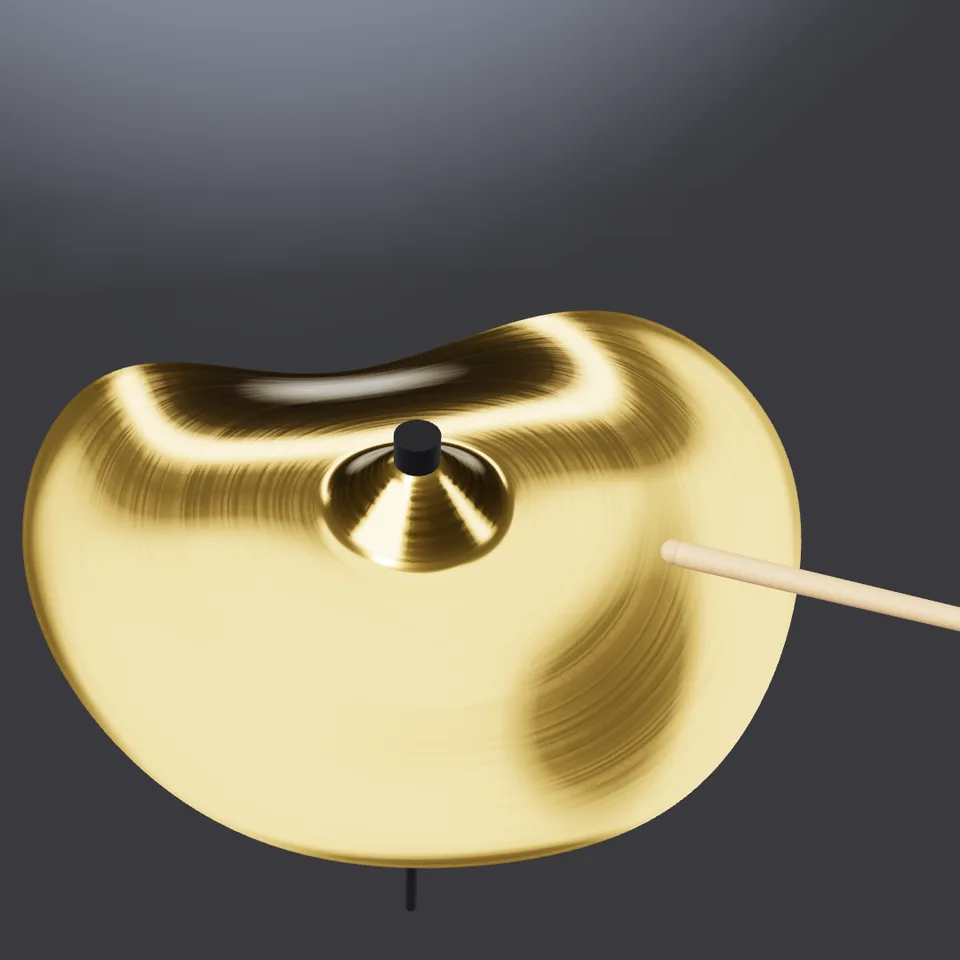
A brass cymbal struck by a drumstick: the metal ripples in vibration modes and rings down to stillness. Loops perfectly.
In Music & sound, Craft & heritage
Next: Music BoxSurprise me
Your current settings go with it. Combine several clips and hand them over together from your sequence.
Presets
Multiplies the vibration frequencies.
The preview runs the same code your AI receives. These settings travel with the hand-off.
A brass cymbal on a stand in studio light, struck once per loop by a drumstick. Its rim ripples in the lobed patterns of real vibration modes (two, three, four and five lobes around the edge and a rippling bowl), each oscillating a whole number of times per loop while the whole ring fades to nothing before the next strike. Choose the metal (brass, bronze or silver), how violently it rings, the pitch of the vibration, the backdrop colour and whether the camera sways.
src/cymbal-crash.js is the ingredient your AI reuses. demo.js is only the example scene around it, and uses chrome-material only for the demo.
src/cymbal-crash.jscreateCymbal({ metal?, ring?, speed? }) => { group, setProgress(progress), dispose() }METALS: { brass, bronze, silver }three@0.185.1 (source) — Renderer, geometry and shader materials.chrome-material@1.1.0 (demo) — Studio environment light, backdrop and contact shadow.apw-runtime@1.0.0 (demo) — Demo harness.Coordinates: The cymbal is centred on the origin with radius 3, lying nearly flat (tilted 0.28 rad towards the camera); the stick strikes at (1.9, ·, 0.7).
Lighting: A warm key light with a shadow map and the studio environment.
Timing: setProgress(progress) rewrites the surface from a closed form; frames render in any order.
npm install
npm run render -- cymbal-crash/1.0.0 --out my-video.mp4
Needs Node 18+, ffmpeg and Chrome/Chromium. Add --params my-settings.json (from Copy settings) for your own settings.sha256:c317f3ccbc0731a0…3D object3DSeamless loop12 seconds
3D object3DSeamless loop12 seconds
3D object3DSeamless loop12 seconds
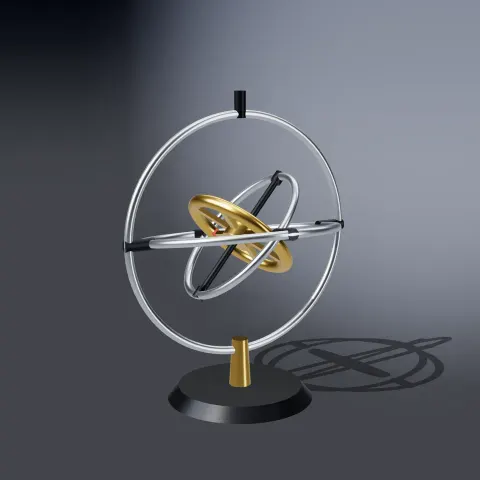
3D object3DSeamless loop16 seconds
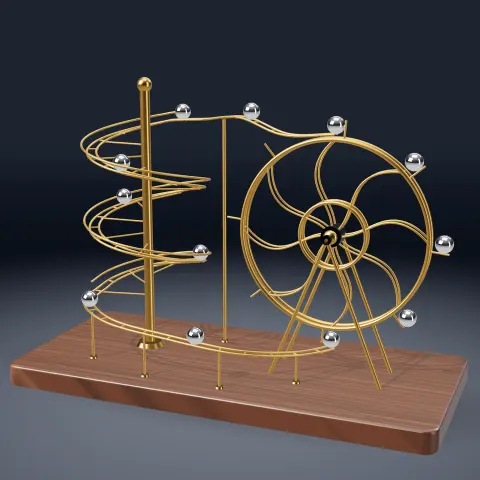
3D object3DSeamless loop12 seconds
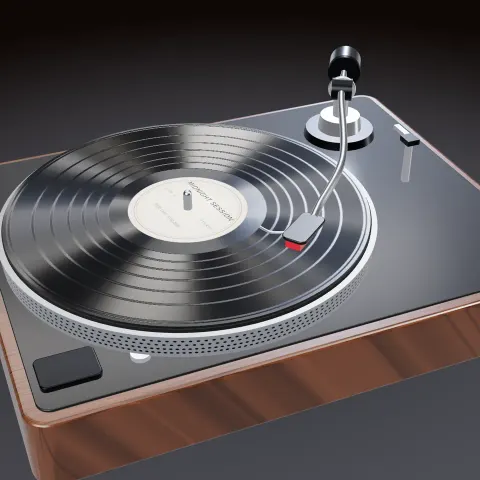
3D object3DSeamless loop9 seconds
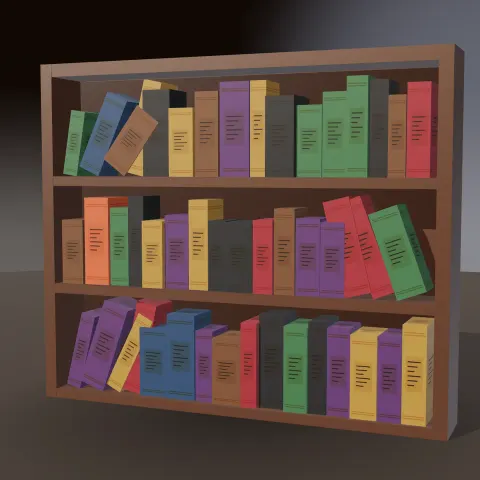
3D object3DSeamless loop16 seconds
3D object3DSeamless loop16 seconds