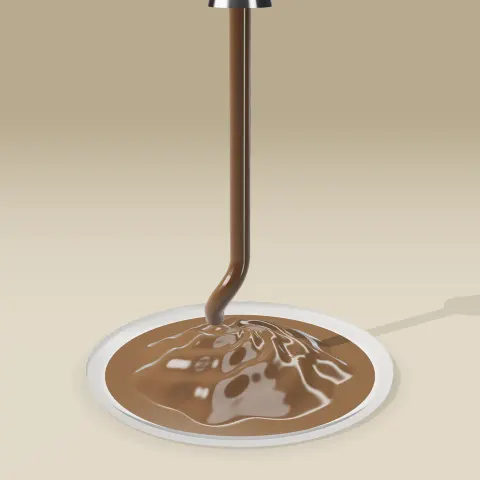
Chocolate Pour
3D object3DSeamless loop12 seconds
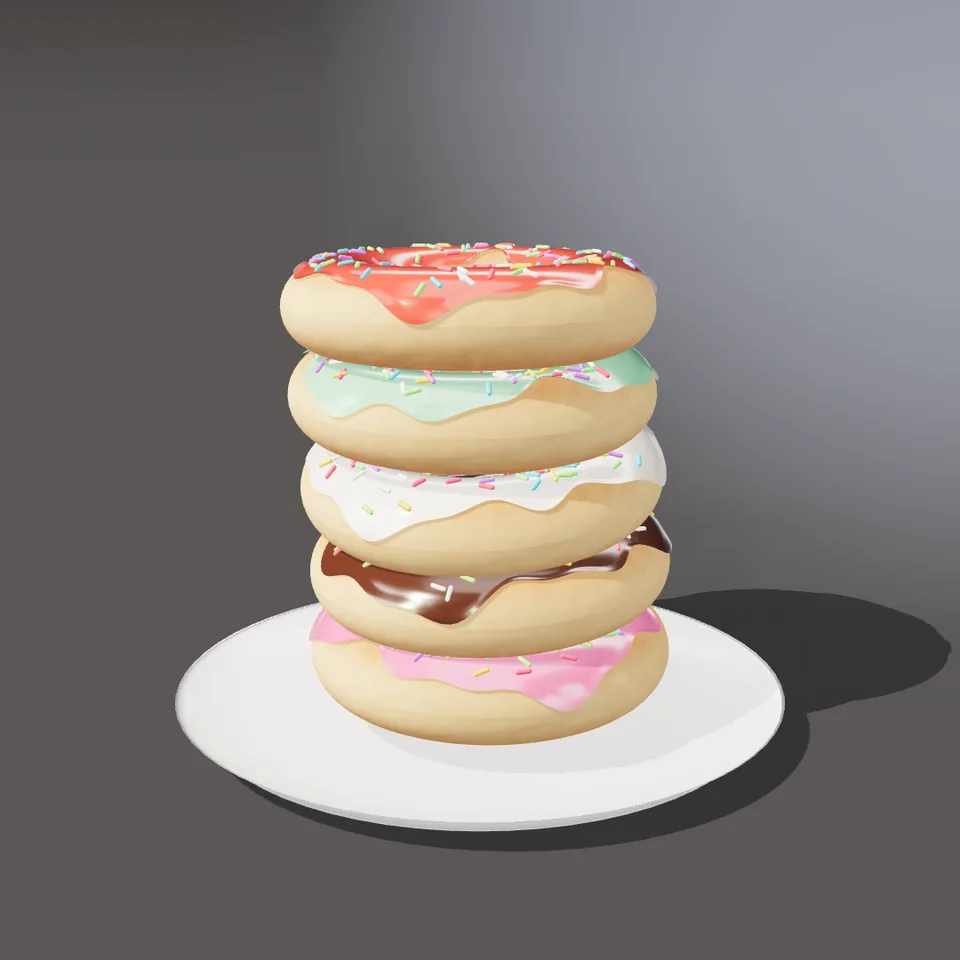
A tower of glazed donuts with wavy glossy frosting and sprinkles, turning and wobbling on a plate. Loops perfectly.
Your current settings go with it. Combine several clips and hand them over together from your sequence.
Presets
The preview runs the same code your AI receives. These settings travel with the hand-off.
A tower of golden donuts on a white plate in warm studio light. Each donut has a wavy glossy frosting layer that thickens into a bead along its edge and a scatter of sprinkles, and the tower turns, sways and wobbles, neighbouring donuts turning in opposite directions. Choose how many donuts, the frosting flavours (classic, pastel or berry), how many sprinkles, the seed, the backdrop colour and whether the camera sways.
src/donut-stack.js is the ingredient your AI reuses. demo.js is only the example scene around it, and uses chrome-material only for the demo.
src/donut-stack.jscreateDonutStack({ count?, flavours?, sprinkles?, seed? }) => { group, height, setProgress(progress), dispose() }FLAVOURS: { classic, pastel, berry }three@0.185.1 (source) — Renderer, geometry and shader materials.chrome-material@1.1.0 (demo) — Studio environment light, backdrop and contact shadow.apw-runtime@1.0.0 (demo) — Demo harness.Coordinates: The plate (radius 2.75) rests with its base at y = −0.32; the donuts stack from y ≈ 0.4 upward, centred on the y axis; the camera frames the whole tower.
Lighting: A warm key light with a shadow map and the studio environment.
Timing: setProgress(progress) sets every donut's turn, tilt and sway; frames render in any order.
npm install
npm run render -- donut-stack/1.0.0 --out my-video.mp4
Needs Node 18+, ffmpeg and Chrome/Chromium. Add --params my-settings.json (from Copy settings) for your own settings.sha256:e1256c606fcf17b5… · other versions: 1.0.13D object3DSeamless loop12 seconds
3D object3DSeamless loop16 seconds
3D object3DSeamless loop10 seconds
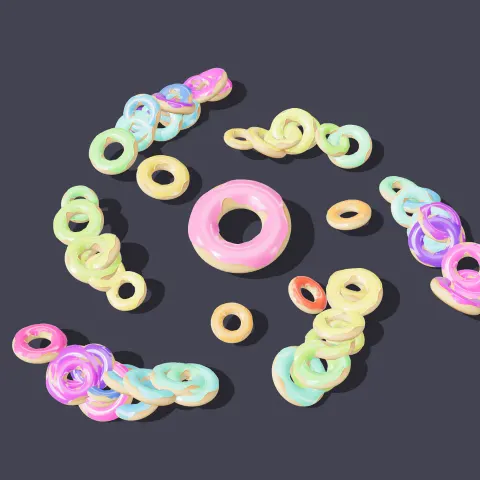
3D object3DSeamless loop16 seconds
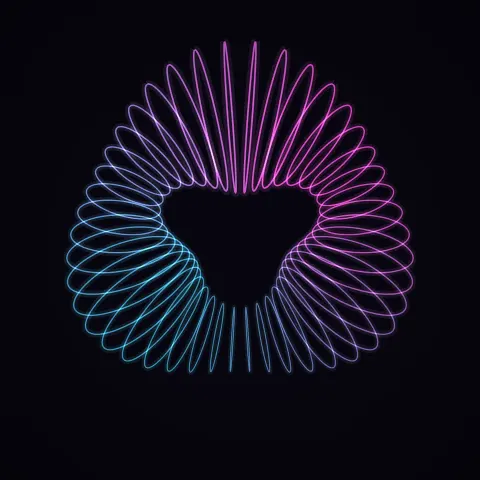
Effect2DSeamless loop8 seconds
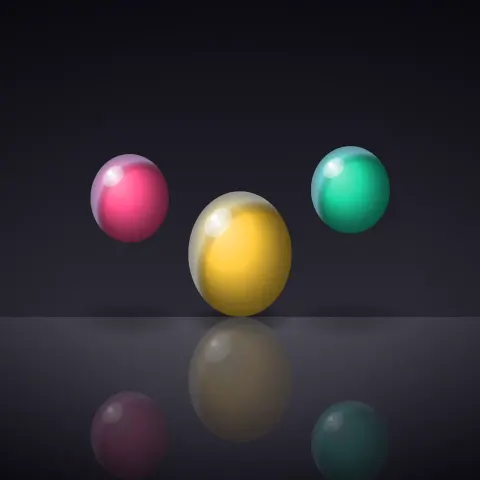
MotionAny rendererSeamless loop4 seconds
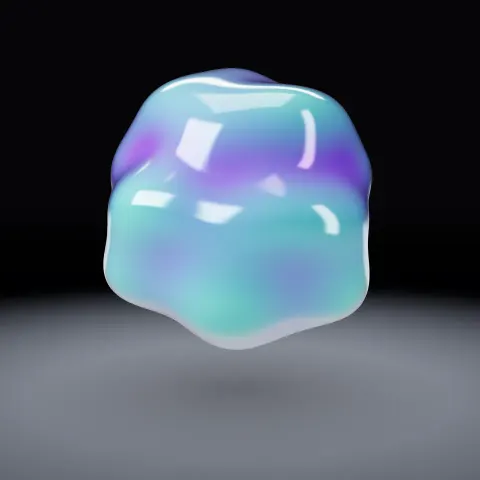
3D object3DSeamless loop8 seconds
3D object3DSeamless loop12 seconds