Aurora Tunnel
Background3DSeamless loop12 seconds
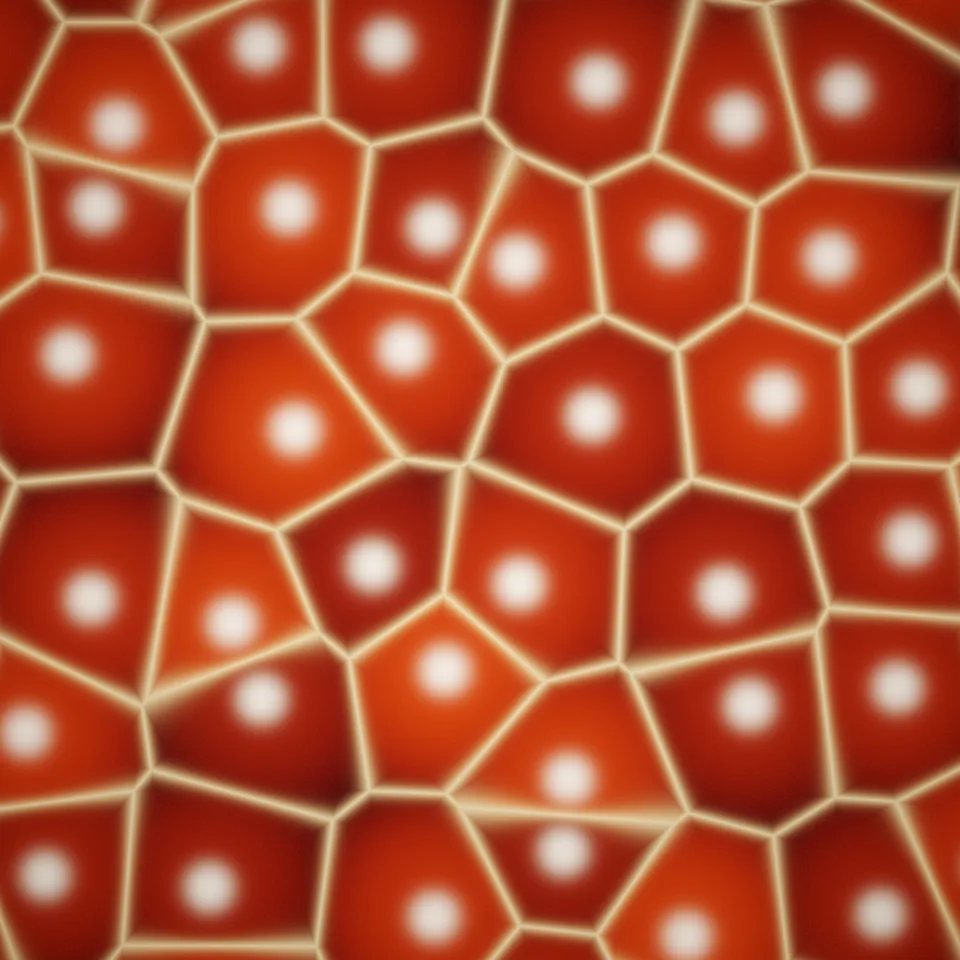
A field of glowing cells with bright veins between them and a nucleus in each, drifting on closed orbits like cells under a microscope. Loops perfectly.
In Light, glass & shine, Patterns & illusions
Next: Aurora TunnelSurprise me
Your current settings go with it. Combine several clips and hand them over together from your sequence.
Presets
The preview runs the same code your AI receives. These settings travel with the hand-off.
A field of glowing cells, like cells under a microscope or the cracks in dried mud lit from beneath. Seed points drift on small closed orbits; every pixel finds its nearest and second-nearest point, so each cell is filled with a soft gradient, the borders between cells glow as thin bright veins, and every point has a bright nucleus. Each point makes whole orbits per loop, so it repeats seamlessly. Choose how many cells fit across the picture, the colours (ember, ocean, moss or mono), how far the points travel, how bright and thin the veins are and the seed.
src/voronoi-cells.js is the ingredient your AI reuses. demo.js is only the example scene around it, and uses the demo harness only for the demo.
src/voronoi-cells.jscreateVoronoiCells({ scale?, palette?, orbit?, veins?, seed? }) => { scene, camera, setSize(width, height), update(time, loopSeconds), dispose() }createBloomPass(renderer, { width, height, glow?, exposure?, grain? }) => { render(scene, camera, output?), dispose() }PALETTES: { ember, ocean, moss, mono }three@0.185.1 (source) — Renderer and a full-screen shader material.apw-runtime@1.0.0 (demo) — Demo harness.Coordinates: Screen-centred, ±1 vertically, scaled by the cell count; one seed point per grid cell.
Lighting: Self-lit; the bloom gives the glow.
Timing: update(time, loopSeconds) sets the loop phase; frames render in any order.
npm install
npm run render -- voronoi-cells/1.0.0 --out my-video.mp4
Needs Node 18+, ffmpeg and Chrome/Chromium. Add --params my-settings.json (from Copy settings) for your own settings.sha256:dec4d650a270448e…Background3DSeamless loop12 seconds
Background3DSeamless loop12 seconds
Background3DSeamless loop12 seconds
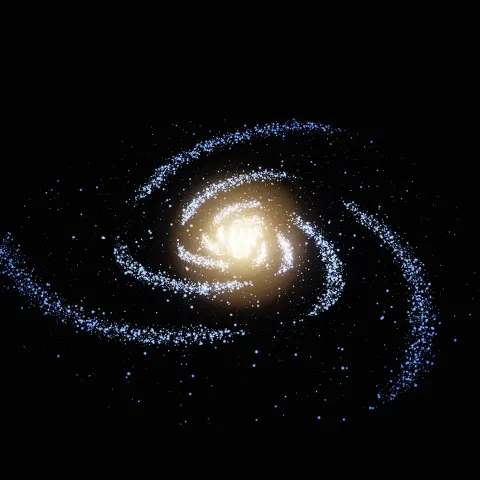
Background3DSeamless loop14 seconds

Background3DSeamless loop10 seconds
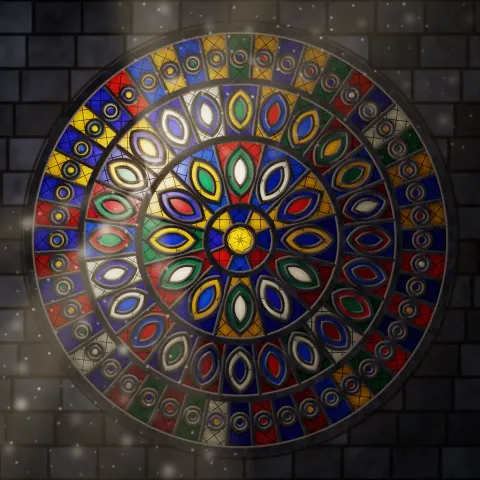
Background3DSeamless loop12 seconds
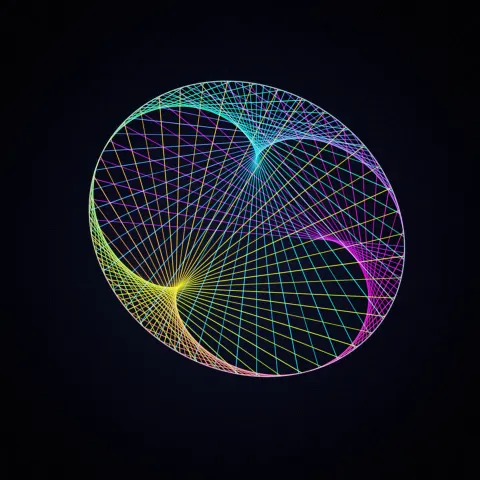
Background3DSeamless loop12 seconds
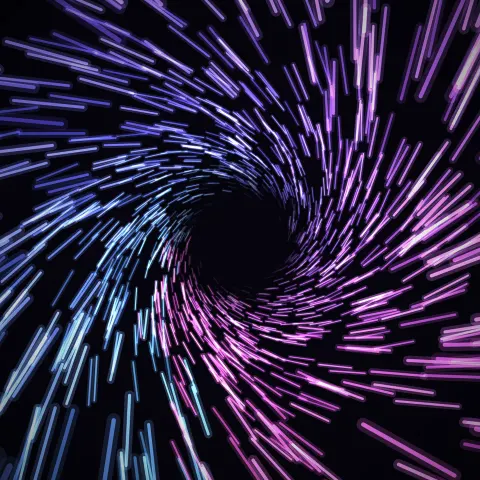
Effect2DSeamless loop6 seconds