Paper-Cut Hills
Background2DSeamless loop12 seconds
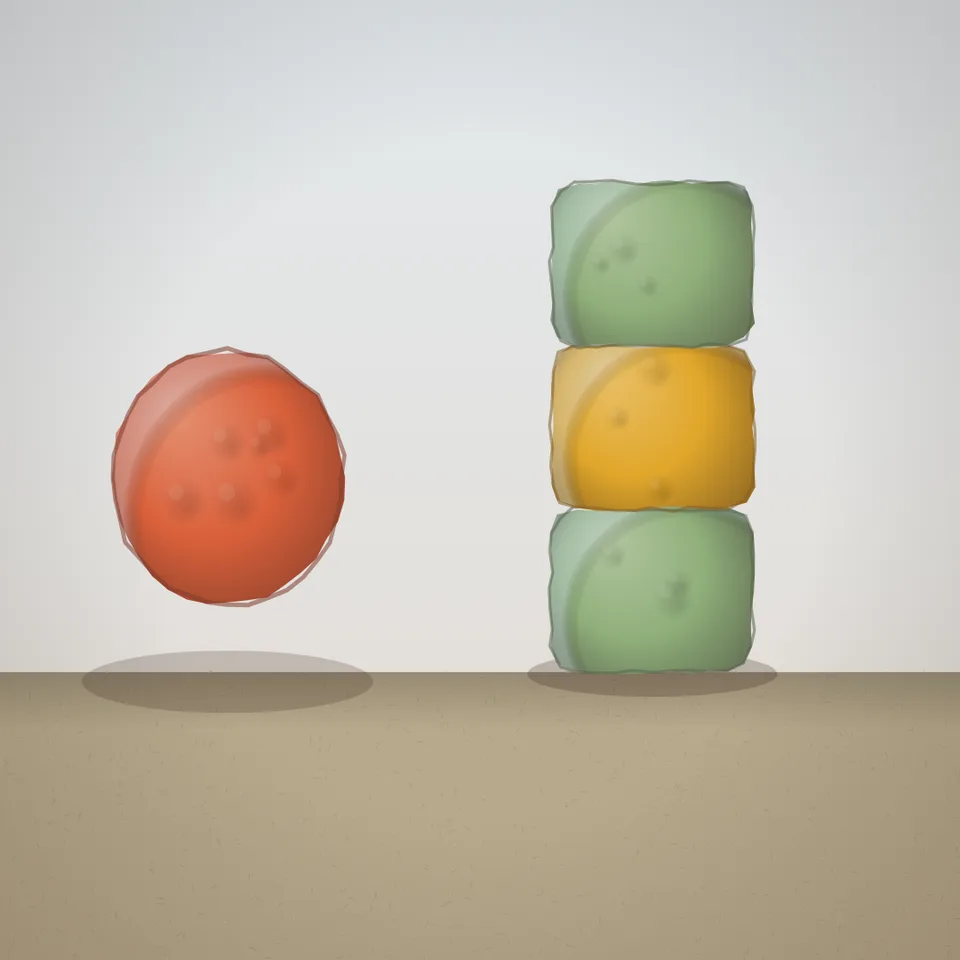
Makes any motion look hand-made frame by frame: pictures held at 12 a second, a tiny camera jitter, outlines that wobble, and clay shading with thumbprints under warm overcast light.
Your current settings go with it. Combine several clips and hand them over together from your sequence.
Presets
12 is classic stop motion; 8 is chunkier; 24 is smooth.
Pixels the whole picture shifts between held frames.
The preview runs the same code your AI receives. These settings travel with the hand-off.
The claymation look taking over feeds in 2026, as motion you can apply to anything: time is held in steps like a stop-motion camera taking twelve pictures a second, each held picture gets a tiny camera shift, outlines boil from picture to picture, and shapes are shaded like matte clay with thumbprint dimples, a soft warm key and a cool rim from an overcast sky. The demo is a clay ball hopping past a stack of clay blocks on a felt table. Set the pictures per second, the jitter, the boil, the clay colours and the felt.
src/stop-motion-feel.js is the ingredient your AI reuses. demo.js is only the example scene around it, and uses the demo harness only for the demo.
src/stop-motion-feel.jscreateStopMotion({ fps?, jitter?, boil?, seed? }) => { stepTime(info), hold(info, scale?) }drawClay(ctx, { x, y, radius, width?, height?, corner?, color, squashX?, squashY?, boil?, boilSeed?, dimples?, seed? })drawFelt(ctx, { width, height, top?, color?, seed?, fibres? })clayPalette: Record<string, string>apw-runtime@1.0.0 (demo) — Demo harness and colour helpers. src/stop-motion-feel.js has no dependencies.Coordinates: Pixels. Call hold(info) once per frame, translate by jitterX/Y, then draw.
Lighting: Shading assumes a soft key from the upper left and a cool rim lower right.
Timing: hold() quantises time; feed its time (not info.time) to your motion for the stepped feel.
npm install
npm run render -- stop-motion-feel/1.0.0 --out my-video.mp4
Needs Node 18+, ffmpeg and Chrome/Chromium. Add --params my-settings.json (from Copy settings) for your own settings.sha256:8868e2405e60b5ad…Background2DSeamless loop12 seconds

Background3DSeamless loopPortrait8 seconds

Background3DSeamless loopPortrait12 seconds
Background3DPortrait8 seconds
3D object3DSeamless loop12 seconds

Text layer3D9 seconds
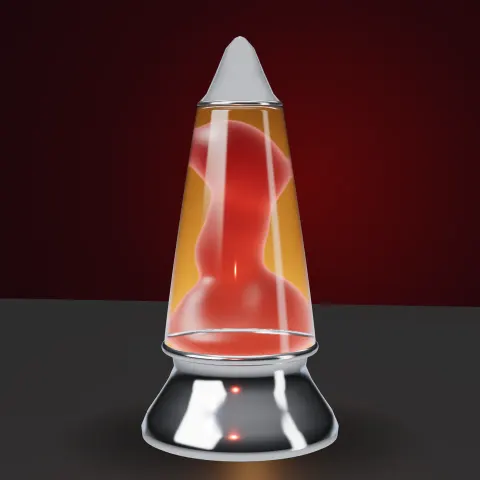
3D object3DSeamless loop15 seconds
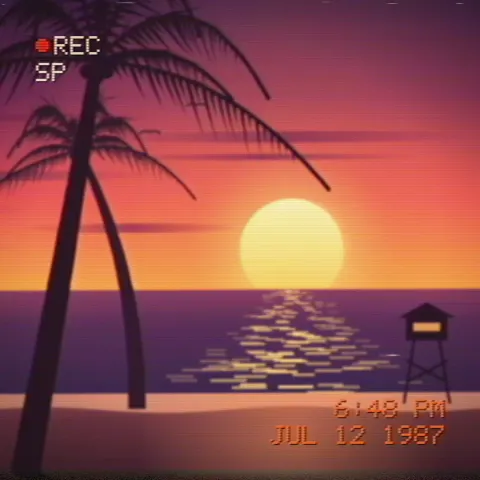
Effect2D8 seconds