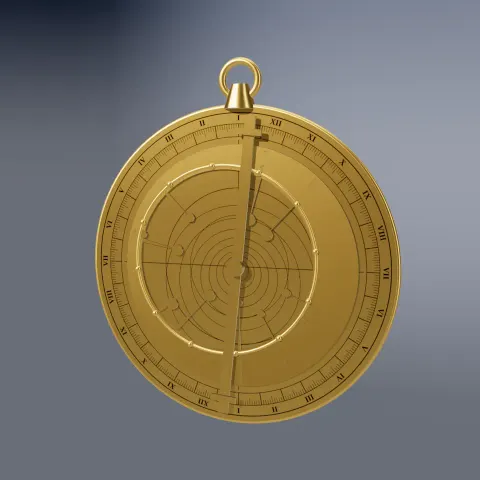
Astrolabe
3D object3DSeamless loop16 seconds
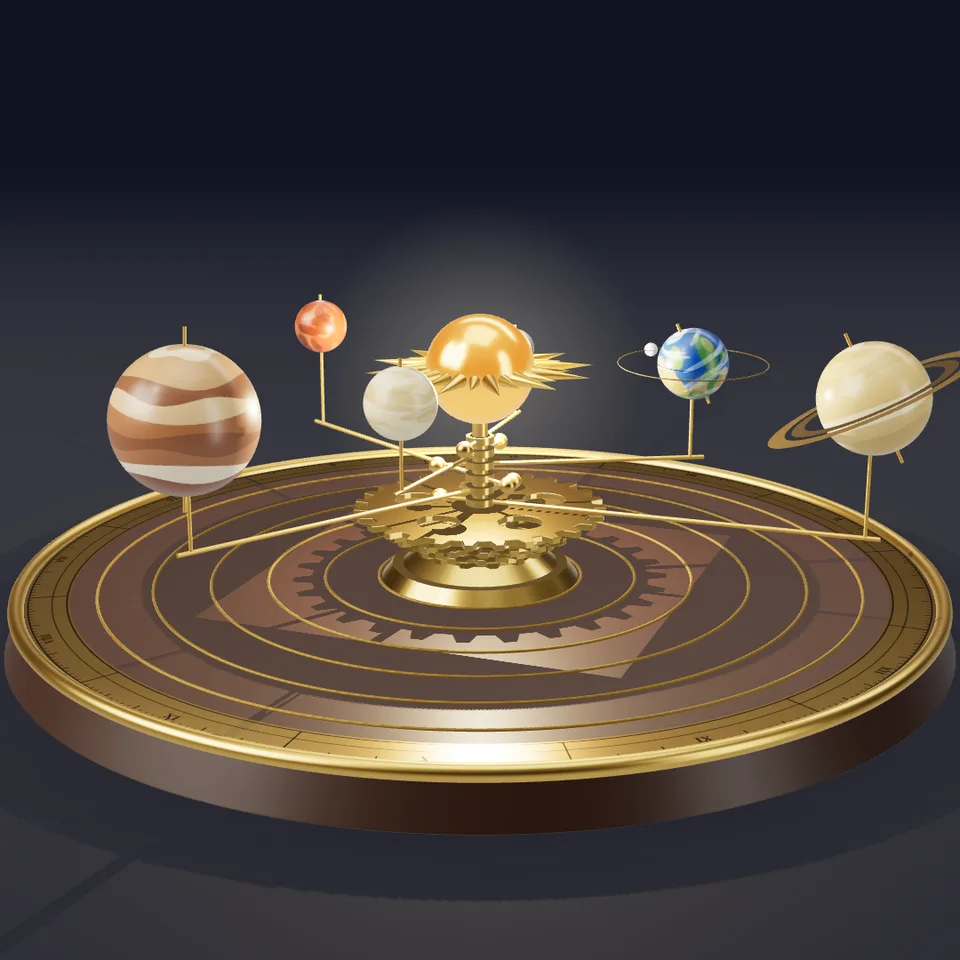
A brass orrery: a golden Sun lighting six enamel planets on turning arms, a tower of gear wheels at its foot. Loops perfectly.
In Machines & clockwork, Space & cosmos, Craft & heritage
Next: AstrolabeSurprise me
Your current settings go with it. Combine several clips and hand them over together from your sequence.
Presets
How many planets, nearest the Sun first.
A whole-number factor on every motion; 1 turns Saturn once a loop.
The preview runs the same code your AI receives. These settings travel with the hand-off.
An eighteenth-century orrery in polished brass: a golden Sun with a ring of rays on a column, and on arms of different heights the planets from Mercury to Saturn (enamelled and banded, Earth with its tilted axis and its Moon, Saturn in brass hoops) circling it, the nearest fastest; at the foot of the column a tower of gear wheels, one to each arm, turns with it; the whole stands on a turned walnut base with a bevelled brass rim, an engraved dial and the orbits scored in it. The Sun is the light: it shades the planets into day and night and throws the arms' shadows across the base. Choose the metal, how many planets, the pace, the Moon, the gears, the Sun's brightness, the backdrop and whether the camera drifts round it.
src/orrery.js is the ingredient your AI reuses. demo.js is only the example scene around it, and uses chrome-material only for the demo.
src/orrery.jscreateOrrery({ metal?, planets?, moon?, gears?, anisotropy? }) => { group, sunPosition, planets, setProgress(progress, { speed? }), dispose() }PLANETS: { name, r, size, turns, spin, surface, phase, … }[]METALS: { brass, gold, silver, bronze }three@0.185.1 (source) — Renderer, geometry and physical materials.chrome-material@1.1.0 (demo) — Studio environment light, backdrop and contact shadow.apw-runtime@1.0.0 (demo) — Demo harness.Coordinates: The base is a disc of radius 3.2 on the plane y = 0, the column rises to the Sun at y = 1.5; planets circle at radii 0.72 … 2.68 in the plane y = 1.5; the camera orbits a point at y = 0.95.
Lighting: The Sun is a warm point light at the centre with a shadow map: it shades the planets into day and night and casts the arms' shadows on the base; a dim key light and a studio environment give the brass its reflections.
Timing: setProgress(progress) sets every angle as a whole number of turns of the loop; frames render in any order.
npm install
npm run render -- orrery/1.0.0 --out my-video.mp4
Needs Node 18+, ffmpeg and Chrome/Chromium. Add --params my-settings.json (from Copy settings) for your own settings.sha256:4e4c78e04fc2b4d2…3D object3DSeamless loop16 seconds
3D object3DSeamless loop12 seconds
3D object3D8 seconds
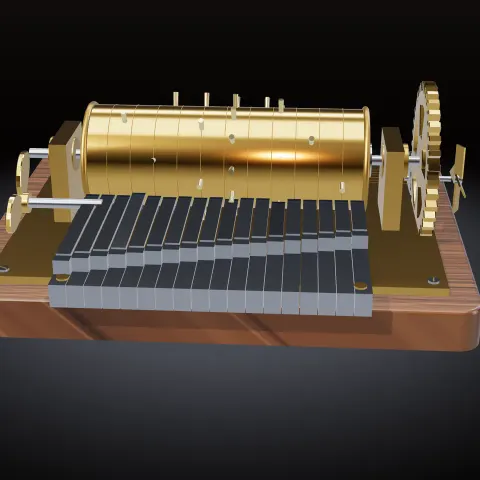
3D object3DSeamless loop12 seconds
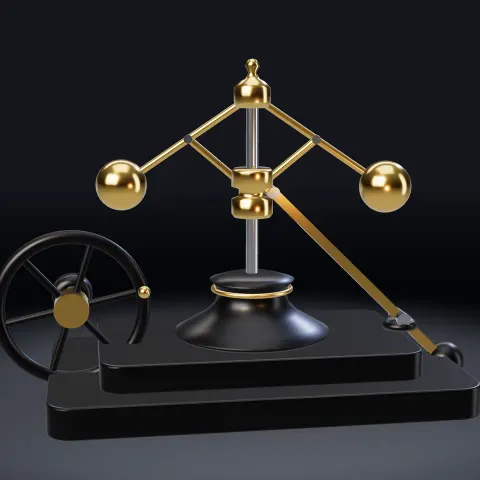
3D object3DSeamless loop12 seconds
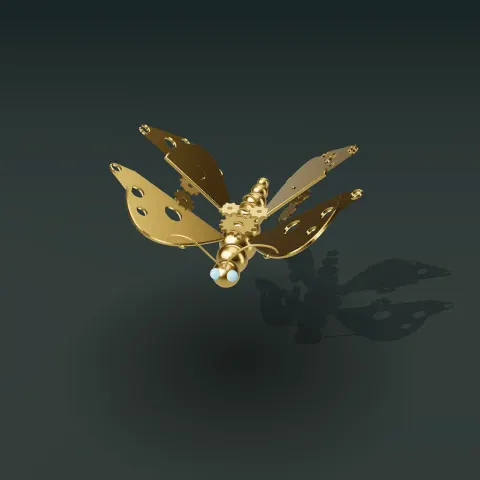
3D object3DSeamless loop12 seconds
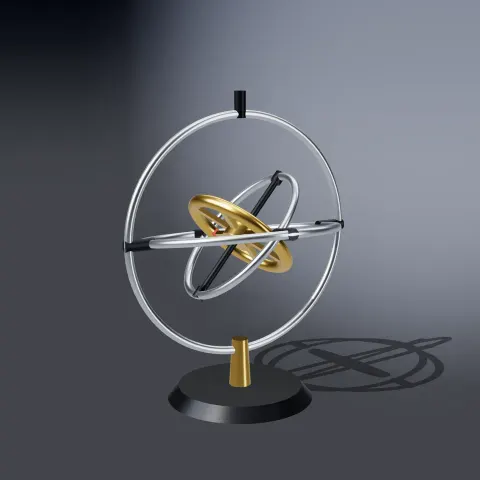
3D object3DSeamless loop16 seconds
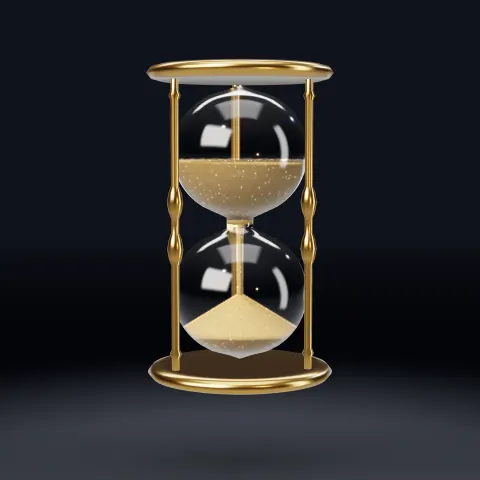
3D object3DSeamless loop16 seconds